Books That Will Inspire Your Teen (That They Won’t Want to Put Down)

Reading changes lives. That’s not hyperbole. It’s something I’ve witnessed over decades of working with young people.

If you’re a parent or work with teens, you know this age group has mastered the art of shutting down. Try to offer advice, and you’ll hear the familiar words: “You wouldn’t understand.” Maybe that’s true, maybe it isn’t. But here’s what I know for certain: sometimes a teen just needs to hear a different voice for the message to cut through the noise.

That’s the power of reading. Books put new stories in front of your kids from voices they might listen to. These stories help teens put words to experiences and emotions they can’t quite articulate yet. When they see parts of their own story reflected in someone else’s narrative, when they watch characters navigate impossible situations and come out the other side, something shifts. They realize they’re not alone. They see that their current circumstances aren’t set in stone.

Reading does something else too. It builds empathy in ways that lectures and advice never can. When your teen spends hours walking in someone else’s shoes through a story, they develop compassion for people whose experiences differ from their own. They learn that pain is universal, even if the details look different. They discover that resilience isn’t about being perfect or having all the answers. It’s about getting back up and trying again.

Now, as a father of two and grandfather to six (and counting), I know getting kids to read is no small thing. We’re competing with smartphones, social media, and a thousand other distractions fighting for their attention. The trick is finding books so compelling that your teens forget they’re “supposed” to be reading. These are the rare stories that make them beg for “five more minutes” to finish just one more chapter before lights out.

I recommend these books to any teen, but especially those who feel lost, lonely, or misunderstood. These stories will inspire them and show them they aren’t stuck where they are.
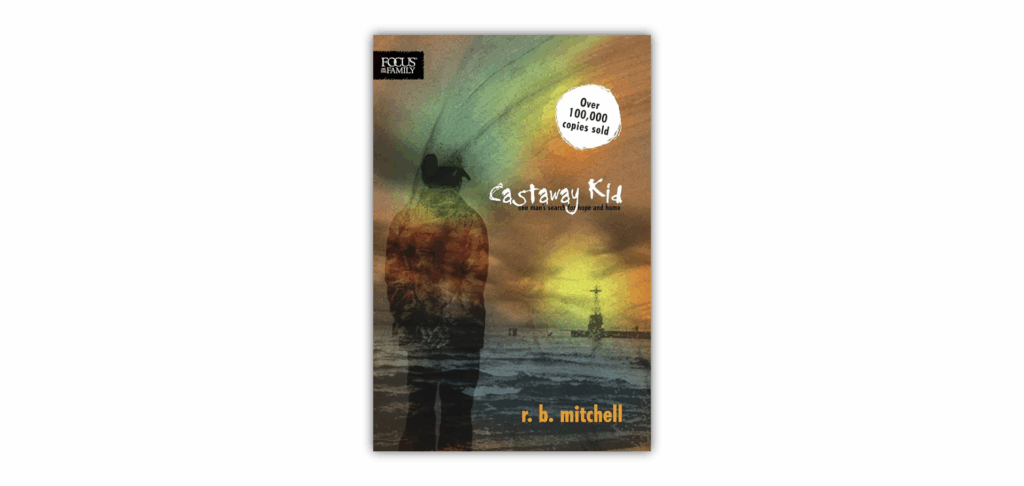
Castaway Kid by R.B. Mitchell

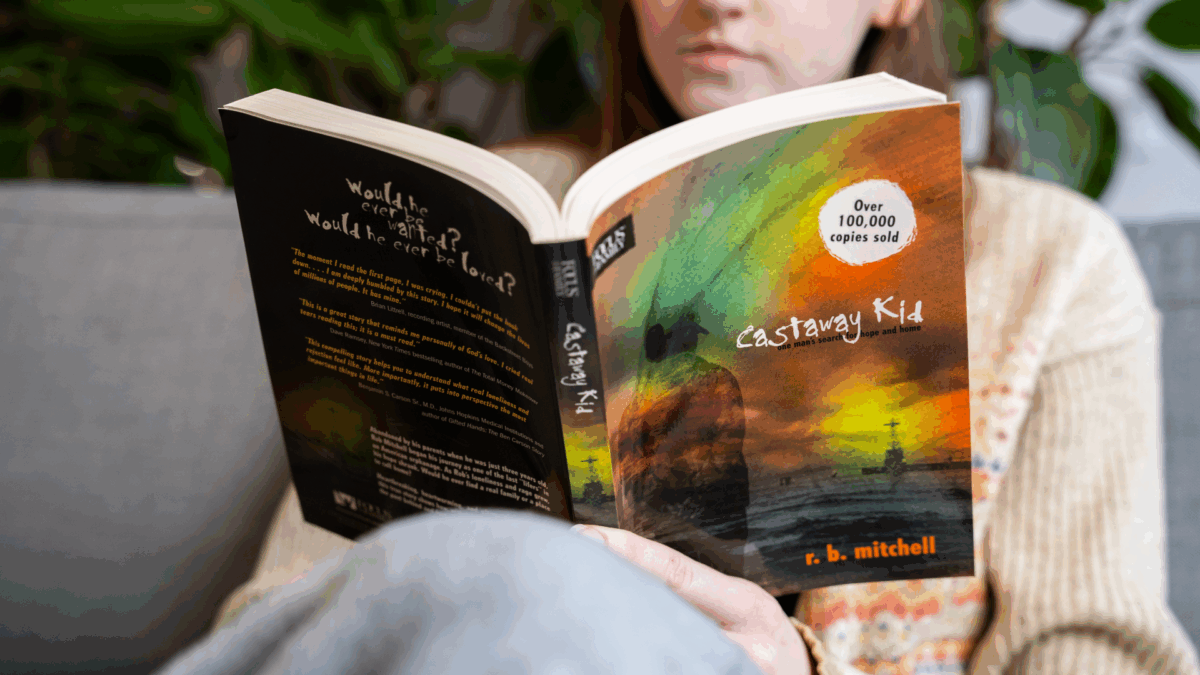
My story isn’t pretty, but it’s real. Abandoned as a toddler and raised in an orphanage for fourteen years, I grew up believing I was unwanted and unlovable. This book doesn’t sugarcoat the hard parts. It chronicles my journey from abandonment to building a life I never thought possible: a marriage of 45+ years, a family, a multi-million dollar business, and a purpose bigger than my pain.

The truth is, your past doesn’t have to dictate your future. The labels people put on you as a kid don’t have to stick. You can choose differently. You can break cycles. You can build something beautiful out of broken pieces.

For your teen if: They struggle with feeling abandoned, unwanted, or think their past defines their future. If they need to see that broken beginnings don’t determine final destinations. If they need proof that you can overcome what was done to you or perhaps they have done to themself, and still become someone worth knowing.

A note for youth workers: I give away free audiobook versions of Castaway Kid to teachers, youth pastors, counselors, and anyone working with troubled youth. Just reach out to me at info@rbmitchell.com and we’ll make it happen.
Get Castaway Kid here.

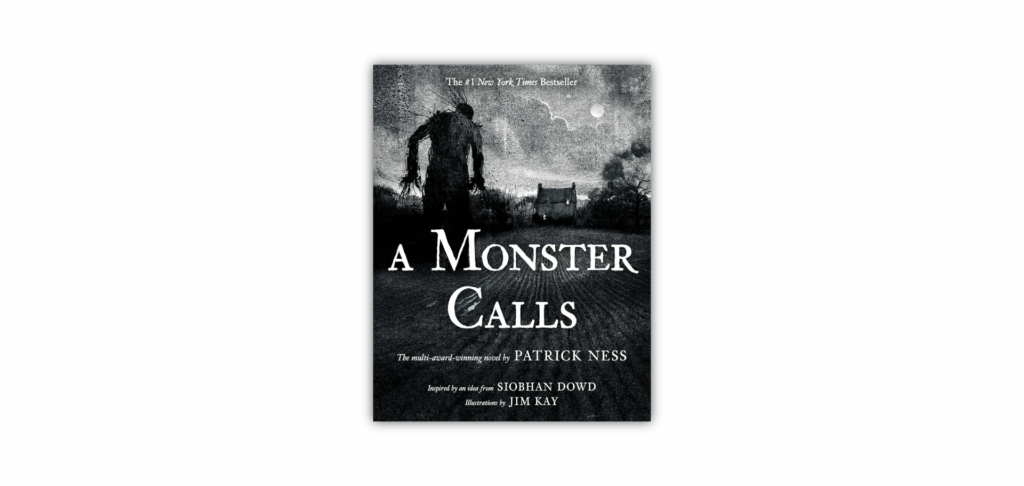
A Monster Calls by Patrick Ness

Thirteen-year-old Conor is visited by a monster at exactly seven minutes past midnight. As he navigates his mother’s terminal illness, the monster tells him three stories and demands a fourth: the truth Conor has been too afraid to face. This is a devastating, beautiful exploration of grief, anger, and accepting the contradictions of being human.

Grief is messy. It doesn’t follow rules or timelines. This book gives teens permission to feel the hard things, to be angry at someone they love, and to hold two opposite feelings at the same time. It meets them in that darkness and says, “You’re not alone. What you’re feeling is human.”

For your teen if: They’re dealing with loss or impending loss. If they need permission to feel angry and scared and confused all at once. If they need to know that having dark thoughts doesn’t make them a bad person.
Get A Monster Calls here.

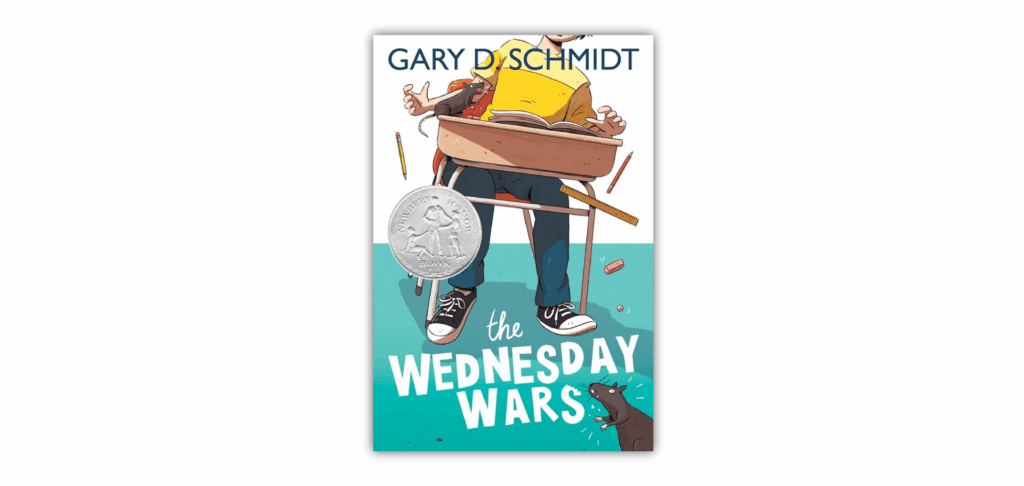
The Wednesday Wars by Gary D. Schmidt

It’s 1967, and seventh-grader Holling Hoodhood is convinced his teacher, Mrs. Baker, hates him. While his classmates attend religious instruction on Wednesday afternoons, he’s stuck reading Shakespeare with her. What unfolds is a year of unexpected lessons about courage, family, and becoming your own person in a world that seems determined to define you.

This book is funny and heartbreaking in equal measure. Through Shakespeare’s words, Holling learns about betrayal, loyalty, love, and what it means to be brave when everything feels scary and uncertain. He learns that the adults who push you hardest are sometimes the ones who believe in you most.

For your teen if: They feel misunderstood by authority figures. If they’re trying to figure out who they are apart from what everyone expects them to be. If they need to see that growing up means making your own choices, even when those choices disappoint the people you love.

Get The Wednesday Wars here.

Between Shades of Gray by Ruta Sepetys

In 1941, fifteen-year-old Lina, her mother, and her younger brother are torn from their Lithuanian home by Soviet guards and deported to Siberia. Based on true events, this is a story of unimaginable suffering, fierce love, and the stubborn refusal to let circumstances destroy your humanity.

Lina loses everything: her home, her freedom, her father, nearly her life. And yet she keeps drawing, keeps hoping, keeps loving her family fiercely. She discovers that even when everything is stripped away, you still get to choose who you’ll be in the darkness. This is a hard read, brutal and heartbreaking, but it’s also a testament to the strength of the human spirit.

For your teen if: They need perspective on their own struggles. If they need to see what real strength looks like when everything is stripped away. If they need proof that hope can survive even in the darkest places.

Get Between Shades of Gray here.
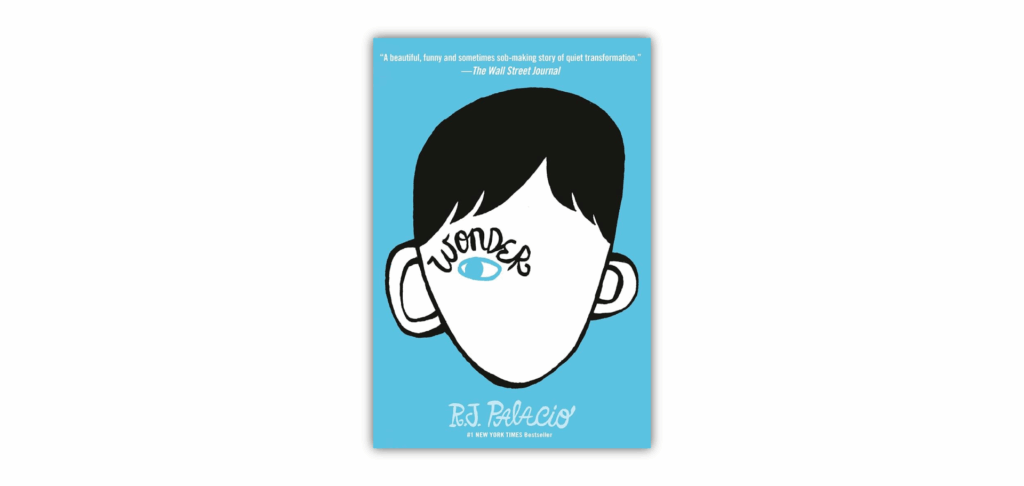
Wonder by R.J. Palacio

August Pullman was born with severe facial differences that have kept him out of mainstream school until now. Starting fifth grade at a new school, Auggie just wants to be treated like a normal kid. But that’s hard when you look like he does. What makes this book special is that it’s told from multiple perspectives, showing how Auggie’s presence affects his sister, his friends, and even the kids who bully him.

The book’s central message is simple but profound: “When given the choice between being right and being kind, choose kind.” Every teenager knows what it feels like to be stared at, judged, or excluded for something beyond their control. This book reminds them that kindness is always a choice, and that choice matters more than we realize.

For your teen if: They’ve ever felt like an outsider. If they’ve struggled with physical differences or disabilities. If they need to learn (or be reminded) that kindness is a choice we make every single day.

Get Wonder here.

The Boy Who Harnessed the Wind by William Kamkwamba

At fourteen, William watched his Malawian village suffer through drought and famine. When his family couldn’t afford school fees, William was forced to drop out. Instead of giving up, he went to the library, taught himself about energy and engineering from books he could barely read, and built a windmill from junkyard scraps to power his family’s home and pump water for their crops.

This book destroys the excuse that you can’t do anything because you don’t have enough resources, education, or support. William had almost nothing. What he had was curiosity, persistence, and a refusal to accept his circumstances as final. His windmill didn’t work on the first try, or the second, or the tenth. But he kept going.

For your teen if: They feel limited by their circumstances. If they need to see what resourcefulness and persistence can accomplish. If they need proof that one person really can make a difference.

Here’s what happens when a teen finds the right story at the right time: they see themselves. Not in every detail, but in the emotions. In the struggles. In the questions they’re too afraid to ask out loud. And when they see how someone else navigated those same dark waters, something clicks. They realize they have options. They realize they’re not crazy or weak or broken beyond repair.

These books won’t fix everything. I’m not naive enough to think a story can solve the complex problems teens face today. But they’ll open doors. They’ll start conversations. They’ll plant seeds that might not sprout for months or years but will eventually grow into something real.

If you want more resources to connect with your teens (whether they’re your kids or the kids you work with), subscribe to my newsletter here on my website. I share practical wisdom and actionable ways to engage with young people who need adults willing to show up and stay. Because that’s what it takes: showing up, staying present, and giving them the tools to navigate a world that can feel overwhelming and impossible.

Get The Boy Who Harnessed the Wind here.

How to Break Bad Habits That Have Stuck Around for Years

It’s usually around this time of year when people realize they’ve really fallen off the train with their New Year’s resolutions. You started January with the best of intentions. You were motivated, energized, ready to finally change. But by March? You’re back to the same old routines and the same bad habits.

I’m not judging, because I’ve been there. But I also don’t subscribe to the belief that people can never really change. I think the people who peddle that belief aren’t passing judgment on others. They’re actually just limiting themselves and telling you what they think they’re capable of, which isn’t change.

I’m a firm believer that anybody can change. We can break our bad habits no matter how severe they are and no matter how long we’ve had them. The key is knowing how to approach it, creating a plan so you can sustainably eliminate those bad habits, and having the right motivation to keep you going when things get tough or when the novelty wears off.

As somebody who has personally overcome a lot of bad habits (and I mean a lot), today I’m sharing some of my tried and true tips to create sustainable change and break your bad habits once and for all.

First, Let’s Talk About Bad Habits

Before we dive into the how, we need to understand something about bad habits.

Having bad habits doesn’t make you a bad person. The best people I know have bad habits. Whether it’s biting your nails, overthinking situations, assuming you know what people are thinking, interrupting others when they talk, or scrolling social media when you should be working, we all wrestle with something. You’re not broken. You’re human.

With that being said, just because bad habits don’t make you a bad person doesn’t mean you should accept that you’ll always have them. Bad habits are called that for a reason: they’re bad. However big or small they are, they impact your life in a negative way. But you don’t have to live with them forever. You have the power to break them.

Here’s the thing about bad habits: they’re a lot like muscle memory. Your brain is a muscle, so the more you use certain pathways in your brain, the stronger they become. The longer you have a habit, the stronger the urge to repeat that habit becomes. This is why breaking a bad habit is really, really hard. But it will be that much more satisfying and rewarding when you do.

My Tips for Breaking Bad Habits

Tackle One Habit at a Time

Write down all of your bad habits and then list them in order from “easiest to break” to “hardest to break.” Instead of tackling them all at once (which is overwhelming and sets you up for failure), focus on overcoming one at a time, starting with the easiest.

You’ll gain a lot of self-confidence by overcoming one of your bad habits, and then you can use that momentum to tackle the others in a snowball effect. Small wins lead to bigger wins. Trust the process.

If you want help with this, I have a free tool that can guide you. It’s called “Your Change Map” and it helps you lay out everything you want to change and then put them in the correct order so you can create sustainable change. Reach out to me at rob@rbmitchell.com and I’ll send it your way.

Get Crystal Clear on Why You Want to Break Your Bad Habit

Don’t just say “I should stop doing this.” Dig deeper. How does your bad habit negatively impact your life? Write down everything you can think of. Get specific. Get honest.

For example, if you procrastinate, don’t just write “procrastination is bad.” Write down the real consequences: “I stay up until 2am finishing work I could have done earlier. I feel anxious and stressed constantly. I miss deadlines and disappoint people who count on me. I feel like a failure.”

Then set that list in a place you’ll see it regularly, like on your nightstand or your bathroom mirror. Look at it, especially when you’re struggling to break your habit. Keeping these reasons top of mind will help you stay diligent when your motivation starts to fade.

Start Noticing When You Do It

You can’t change what you don’t acknowledge. Identify your bad habit and start paying attention to when it shows up. Do you bite your nails when you’re nervous? Maybe you lash out when you’re criticized. Or maybe you procrastinate your work when you feel overwhelmed.

Start identifying what situations trigger your bad habit. What emotions precede it? What time of day does it usually happen? Who are you around? The more you understand the pattern, the better equipped you’ll be to interrupt it.

Replace Your Bad Habit with a Good One

Something I’ve found really interesting is that it’s a lot easier to “replace” a bad habit with a good one than to just break the bad habit cold turkey.

I would brush my teeth. The tooth pasted gave my taste buds flavor. I had another craving later that night, I would brush my teeth again. In six months I lost 15 pounds, just by brushing my teeth instead of eating late night snacks.

It allowed me to use the energy created by the urge and redirect it toward something beneficial, which helped better satisfy the desire to perform the bad habit. Your brain wants to do something. Give it something productive to do instead of just telling it “no.”

Make It Harder to Do the Bad Habit

We’re creatures of convenience. If a bad habit is easy to do, we’ll keep doing it. So make it harder.

If you spend too much time on your phone, put it in another room when you’re trying to work, better yet, turn it off. The texts and voicemails will be there when you turn it back on. If you eat junk food late at night, don’t buy it at the grocery store. If you skip workouts because you talk yourself out of it in the morning, lay out your workout clothes the night before and sleep in them if you have to.

Remove the friction from good habits and add friction to bad ones. It’s simple, but it works.

Tell Someone About Your Goal

There’s something powerful about saying your intentions out loud to another person. It creates accountability. It makes the goal real instead of just a thought floating around in your head.

Find someone you trust and tell them what you’re trying to change. Ask them to check in on you. Give them permission to call you out when you slip back into old patterns. You don’t have to do this alone, and honestly, you shouldn’t. We all need people in our corner reminding us who we’re trying to become.

Expect Setbacks and Plan for Them

You will mess up. You will have moments where you fall back into the old habit. This doesn’t mean you’ve failed. This means you’re human.

The difference between people who break bad habits and people who don’t isn’t that one group never stumbles. It’s that one group gets back up and keeps going. When you slip up, don’t spiral into shame and give up entirely. Acknowledge it, learn from it, and start again the next day. Progress isn’t linear. It’s messy and inconsistent and that’s okay.

Hope for You

Bad habits can be broken, once and for all. I’ve seen it happen in my own life and in the lives of countless young people I’ve worked with over the years. The key isn’t willpower alone. It’s intention, self-awareness, and a refusal to let temporary setbacks define your permanent reality.

You’re not stuck. You’re not too far gone. And it’s not too late to change, whether it’s March or July or December. Start with one habit. Make a plan. And take the first step today.

Advice for Parents: What Your Kids Really Need From You

I just finished writing about marriage advice for newlyweds, which got me thinking about the challenges couples face. And one of the biggest? Parenting.

It’s one of life’s greatest joys. It’s also one of life’s greatest stressors. Ask any parent who’s been through sleepless nights, teenage rebellion, health scares, or just the daily grind of keeping tiny humans alive and functioning, and they will tell you I’m right.

I raised two kids while building a career and dealing with my own complicated past—fourteen years in an orphanage after being abandoned at age three. My son battled leukemia. My daughter went through her share of struggles. And I had no model for what a good father looked like because the people who should have shown me walked away when I was three years old.

So when people ask me what advice to give new parents, here’s what I tell them. These are the tips for new parents I wish someone had given me—the things I learned about being a good, loving parent despite the stress and chaos.

Children Want Two Things: Opportunities and Boundaries

This might be the most important thing I can tell you about raising kids. Children want opportunities to grow, but they also want boundaries. They need both.

Give them opportunities to explore, experiment, and succeed. But also give them boundaries. Clear ones. 

And here’s the thing: they’re going to test those boundaries over and over again. Not because they’re trying to push your buttons, but because they’re testing them to make sure they’re real. Those boundaries give them comfort.

Setting Boundaries Is an Act of Love

I’ve spoken to kids all over the world in juvenile detention centers, group homes, and crisis centers. You want to know what those conversations taught me? That even the toughest, most independent kids want to know that someone loves them, and what they really needed, going back to what I just said, were boundaries. 

Now a lot of parents don’t want to set boundaries because it makes the child upset. They think, “I love them and I want them to feel good, so I won’t say no.”

But what you’re really communicating with a reasonable boundary that you set and enforce is love and care. You’re saying, “I want better for you than what you’re going to choose for yourself right now.” 

That’s real love. That’s real respect. And through that boundary you’re also instilling self-respect in your child, because you’re teaching them how they should be treating themselves. You’re teaching them to say down the road, “No, I’m not going to do that because I want better for myself.”

Give Them the Opportunity to Talk Openly and Honestly

Now that we’ve gotten clear on the value of providing your kids with boundaries, let’s talk more about giving them opportunities. One of the best opportunities you can give your kid is the opportunity to talk to you openly and honestly.

That doesn’t mean grilling them with questions until you get the answers you want to hear. It doesn’t mean forcing them to tell you things on your timeline and your terms. What it means is giving them opportunities to share with you in a way that feels safe and on their timeline.

Here’s how I would hold this space for my kids.

I remember picking up one of my kids from school, and I could tell they were in a funk. I would ask “How was your day?” and I’d get the silent treatment, or a dismissive “Quit hassling me.”

So I’d drive to their favorite ice cream place without saying a word. “What are we doing here?” “We’re getting ice cream. You got a problem with that?” We’d order, sit down. They might not talk at all.

Then we’d get back in the car, and I’d keep driving further from the house.

“Where are we going?”

“I don’t know. But I’ll keep driving till you’re ready to talk.”

“You’re serious?”

“I’m very serious. I’m going to keep driving, and I’ll give you the time and space you need to talk to me and get your words out so they don’t eat you up inside. I’m not going to ask a question. I’m just going to keep driving till you feel ready to share.”

One time we drove for an hour and a half before those words finally came out. Was it important? Not really. It was some junior high boy drama and my daughter was caught in the middle of it. But she got it all out. And when we got home, I said, “I’m sorry your heart is broken. I love you.” And that was it.

Don’t let a kid who’s struggling and shut down just sit on the couch and play video games, or shut themselves in their room and suffer in silence. Give them the opportunity to share with you, openly and honestly. As a parent, you don’t have to have all the words. Sometimes they don’t even know the words to say. Just hold the space open, give them the opportunity to share, and wait for the right moment.

You’re Not Going to Be Perfect

I don’t want to give the impression that I was a perfect parent. I wasn’t. I made mistakes. I lost my temper when I shouldn’t have. I was too strict sometimes and too lenient at others. 

But I learned that parenting isn’t about being perfect. It’s about being present. It’s about giving opportunities and setting boundaries. It’s about paying attention even when they don’t want you to. It’s about doing what’s best for your kids even when it frustrates them.

And it’s about remembering that the chaos and stress? They’re temporary. But the relationship you build with your kids through all of it—that lasts forever.

Marriage Advice for Couples: You’re Teammates for Life

February gets people thinking about hearts and flowers. I’ve been thinking about 45 years of marriage, which includes some hearts and flowers, but also includes sleepless nights with sick kids, financial stress, personal struggles, and seasons where we weren’t sure we’d make it through.

If you’re newly married or thinking about getting married, you probably don’t need another list of generic marriage advice for newlyweds. You need the truth. You’re not just partners in romance. You’re teammates in life. And like any good team, you’ll have moments when one of you is carrying more weight, seasons when you’re growing at different speeds, and times when you have to pull each other up and work hard to keep pace.

So here’s what I’ve learned about making a marriage last after 45 years.

The Light Ahead of Me

When I met my wife in college, I was a mess. I’d spent fourteen years in an orphanage after being abandoned at age three, aged out at seventeen, and spent the years after that trying to drown my bitterness in everything I could get my hands on. I was angry, broken, and convinced I was doomed to become exactly what my past said I’d become.

But when I met her, something shifted. I knew I wanted to be a better man for her. Not perfect—I was nowhere near perfect—but better. She became a light ahead of me, pulling me forward toward the man God believed I could be instead of the man my circumstances said I was stuck being.

That’s what a good marriage does. When one of you is growing, reaching, striving to become something more, the other becomes that light ahead, helping you walk into it. And then the roles reverse. You grow in an area where your spouse is struggling, and you become the one pulling them forward, with patience, encouragement, and a lot of love and grace along the way.

You’ll Wound Each Other—Sometimes Without Meaning To

I’d lie if I said our 45 years have been easy. We’ve had some awfully hard times.

Here’s something most people don’t talk about: sometimes in a marriage, a person has their own problems, and those problems wound their partner. They’re not wounding their partner on purpose. They’re just having their own problems. Maybe one of you is dealing with depression, anxiety, unresolved trauma, career stress, or health issues. You’re not trying to hurt your spouse, but your struggle affects them.

That’s when you most need to remember that you’re on the same team. The problem isn’t each other. The problem is the problem. And you tackle it together.

My wife and I have had to learn to say, “Time out. We’re not enemies here. What are we actually fighting?” Sometimes it was financial stress. Sometimes it was exhaustion from raising kids. Sometimes it was navigating one of life’s low points together. But no matter what life throws our way, we always come back to the same truth: we’re teammates.

The Biggest Mistakes I See Couples Make

After counseling men for nearly 23 years through CBMC and working with couples on estate planning, I’ve seen patterns in what breaks marriages apart. Most of it comes down to unrealistic expectations that were never discussed before the wedding.

First, skip premarital counseling and you’re setting yourself up for problems. Good premarital counseling forces you to talk about the hard stuff before you’re legally bound to each other. How will you raise kids? Who manages money? What are the expectations when he’s exhausted from work and you’re exhausted from keeping a human alive all day?

Set clear expectations on issues like these before you get married.

Second, refusing to go to counseling when you hit hard times. Sometimes you need that third party to let you say the words out loud that you shouldn’t say directly to your spouse in the moment. Get it all out to someone who can help you refine it, then bring you back together to work through it.

I’m not saying counseling solves everything, but sometimes you have to look at each other and say, “Together we’re not solving this. Let’s get help.”

Third, forgetting why you chose to get married to each other. In the hard times, you need something to come back to. You need to remember why you got married in the first place.

Ask yourself: What attracted us to each other at the start of our relationship? What did we used to love to do together? What kind of husband did I want to be when we first got married? What were my goals as a newlywed wife? How can we get back to being closer together?

Reflect on these questions together. Remember what was once at the core of your relationship. Talk about it without accusing each other of failing to live up to some ideal. Just talk about who you were and who you wanted to be together.

The Beauty of the Long Haul

After 45 years together, I can tell you that the best part of a marriage isn’t the anniversaries or the vacations. It’s that you build an entire life together—not just a home or a family, but a life.

You don’t have to worry about being known or seen by your partner because they’ve been with you through so much. They’ve seen every side of you—the good, the bad, the side that comes out at 2 a.m. when the baby won’t stop crying, the side that shows up after you’ve lost a job or buried a parent. They know you, and you know them.

Living life with your partner becomes second nature. They become a part of you. You prioritize their needs without thinking about it because their needs are your needs, and vice versa. That’s moving through life as one unit instead of two people trying to coordinate. That’s intimacy—not just romance—true intimacy. 

It’s a powerful, beautiful relationship. One of life’s greatest joys, despite the challenges along the way.

And here’s the beauty of those challenges: every one you face and overcome together makes you stronger. Every hard season you push through weaves another thread in the fabric of your marriage. You become unbreakable not because you never face problems, but because you’ve proven to each other that you can face anything and still choose each other on the other side.

My Advice to You

So if you too want a marriage that will last 45 years and beyond, here’s what I believe matters most:

Get away when you can. A night, a weekend if possible. Reconnect not just as parents or roommates, but as partners. Remember why you chose each other.

Be willing to go to counseling, separately or together, when you need it.

Talk about expectations before they become resentments.

And remember you’re on the same team. When one of you is in a low season, the other pulls them up. When one of you is growing fast, the other works to keep pace or reaches for that light ahead.

That’s what 45 years has taught me.

How to Keep Your New Year’s Resolutions and Change Your Life

I know what you’re thinking. New Year’s resolutions are a joke. You’ve tried before. Lost weight until March. Quit smoking until your next crisis. Read your Bible every day until life got busy. Same promises, same failure, every single year.

So why am I telling you January is a great time to change your life?

Because I’m not talking about resolutions. I’m talking about real change. And yes, there’s a difference.

The Problem Isn’t the Timing

After building something from nothing—going from abandoned at three and homeless at seventeen to where I am today—I can tell you the problem isn’t that people try to change in January. The problem is how they try to change.

Most people make promises they can’t keep, try to overhaul everything at once, and rely on willpower instead of having a real plan. When they inevitably fail, they blame themselves for not being strong enough, disciplined enough, committed enough.

But I need you to hear this: strength has nothing to do with it.

Why January Can Work

Think about it. January is one of the few times in life when everyone around you is thinking about change. Your coworkers are talking about their goals. Your friends are asking for accountability on their resolutions. There’s collective momentum toward improvement.

That’s not a cliche. That’s an opportunity.

Because when you’re trying to make a difficult change, you need every advantage you can get. Why would you ignore the one time of year when the whole culture is leaning in the same direction you’re trying to go?

But here’s the key: you can’t approach it the way everyone else does. Because most people are setting themselves up to fail.

What Real Change Requires

After decades of working through my own changes and watching others do the same, here’s what I know: sustainable change happens through small, actionable steps that fit into real life.

Not big declarations. Not dramatic overhauls. Small steps.

Let me tell you why. When I teach financial planning, I use something called the Debt Snowball method. If someone’s drowning in debt, I don’t tell them to attack the biggest balance first. I tell them to pay off the smallest debt, get that win, and build momentum.

Why? Because success creates confidence, and confidence creates more success.

The same principle applies to any change you want to make in your life.

Where Most People Go Wrong

Most people set themselves up to fail by trying to tackle too many areas of change at once.

Friend, you don’t need to make a grandiose list of everything you want to change. Start with a handful. Even better, start with one thing. What’s most important is that one thing is actually doable.

I use this strategy in my own business with my teammates, I don’t call my employees “employees”.  I always give my teammates a little way to succeed instead of one big way to fail. 

Why? Because every time you succeed, you’re weaving threads in the tapestry of your confidence in your competence.

Read that again: confidence in your competence.

When you accomplish something—even something small—you’re proving to yourself that you can do this. That’s a thread. When you do it again, that’s another thread. Each win weaves another thread. Each thread makes you stronger. Eventually, you’ve built something that can hold weight. Eventually, you’ve built up enough strength to stick to the changes you want to see in your life.

That’s what most people miss. They think change requires superhuman willpower. What it actually requires is a series of small wins that prove to yourself you’re capable. One thread at a time.

The Question You Need to Answer

Before you can change anything, you need to get honest about what actually needs to change. Not what sounds impressive. Not what everyone else is working on. What needs to change in your life.

This is the step most people skip. They jump straight to “I’m going to lose 30 pounds” or “I’m going to read the Bible every day” without ever stopping to ask: why? What’s actually broken? What’s holding me back? What would my life look like if I changed this?

And here’s the harder question: what order should I tackle these things in?

Because if you’ve got five areas of your life that need work, you can’t fix all five at once. You have to choose. You have to prioritize. You have to build a plan that’s actually doable.

That’s why I created Your Change Map.

How to Make Change Stick

Your Change Map is a simple tool that helps you do three things:

First, it helps you identify what you actually want to change. Not surface stuff. Real change that matters.

Second, it helps you structure those changes in the right order. The order that makes sense for your life, building momentum instead of overwhelming you with everything at once.

Third, it gives you a framework for taking small, actionable steps toward the life you want. Not someday. Not eventually. Starting now.

This isn’t another journaling activity you’ll do once and forget about. It’s a practical guide for people who are tired of making the same promises every January and abandoning them by March.

You can download it for free here. Use it in January. Use it in July. Use it whenever you’re ready to stop talking about change and actually do something about it.

What Makes This Different

Let me be clear about something: Your Change Map isn’t magic. It’s not going to change your life for you. You still have to do the work.

But here’s what it will do: it will give you a clear path forward when everything feels overwhelming. Instead of trying to fix everything at once, you’ll know the next right step to take. 

You won’t make the same mistakes most people make when they try to change, because you’ll have a framework that actually works. Because the goal isn’t to become a different person overnight. The goal is to become a slightly better version of yourself, consistently, over time.

That’s how real change happens. Not through big declarations. Through small steps, taken repeatedly, in the right direction.

If You’re Ready

If you’re reading this and you’re tired of being stuck, tired of making the same promises, tired of watching another year go by without real change, then maybe you’re ready.

Ready to stop relying on willpower and start following a plan.

Ready to stop trying to change everything and start changing something.

Ready to stop beating yourself up for past failures and start building momentum toward future success.

January is a great time to start. Not because there’s anything magical about the calendar. But because you’re thinking about it right now. And right now is always the best time to take the next step.

Download Your Change Map. Identify what needs to change. Structure your plan. Take one small step.

Then take another.

That’s how you build the life you want. One step at a time, starting now.

Forgiveness of Self: Why It’s so Hard

We’ve all been there. Someone wrongs us, hurts us deeply, and eventually (sometimes after a long struggle) we find a way to forgive them. We let it go. We move forward.

But then there’s that other kind of hurt. The one we caused ourselves. And somehow, that’s the one we can’t seem to shake.

Why is it so much harder to forgive yourself than to forgive someone else?

The Weight of Ownership

After decades of reflecting on my own mistakes and journey to self-forgiveness, this is what I’ve realized: forgiving yourself is harder because you have to take full ownership of what you did. There’s no one else to blame. Whether it was an addiction that spiraled out of control, a choice that led to consequences you’re still living with, or a moment of weakness that cost you dearly, you were the one who made that call. You can’t point the finger anywhere else. And that makes all the difference.

When someone else hurts you, there’s a certain distance. They’re over there, you’re over here. But when you hurt yourself? You’re carrying both the wound and the person who caused it. That’s a heavy load.

And if that wasn’t hard enough, there’s another trap that keeps people stuck.

The Guilt That Feels “Good”

I’ve heard it a thousand times: “But Rob, the guilt I feel keeps me accountable. The shame reminds me not to make the same mistake again. Isn’t that a good thing?”

I get it. I really do. When you’ve messed up, guilt feels appropriate. It feels like the responsible thing to hold onto.

But let me tell you something important: guilt can be justified without being good.

Yes, the guilt you’re feeling might be justified. You did something wrong, and feeling bad about it makes sense. But justified and good are not the same thing. If that guilt is like chains around your ankles, holding you back from becoming the person you’re meant to be, then it’s not doing you any good at all.

Guilt can serve as a wake-up call. It can point you toward what needs to change. But it was never meant to be a permanent residence.

So here’s the question: if ownership is the burden and guilt is the trap, how do you break free?

Name It, Face It, Rise Above It

You start by naming it. Whatever the “it” is (or the “its” if there’s more than one), you bring it into the light. You say it out loud, even if it’s just to yourself or in quiet reflection.

Here’s why this matters: the things we hide in the dark have power over us. They grow there. They whisper lies about who we are. But when you name something, you take away its power to control you. You’re no longer running from it or pretending it doesn’t exist. You’re looking it square in the eye.

And once you can look at it clearly, you can face it. Not just acknowledge it exists, but actually deal with it. Process it. Understand what led you there and what you need to do differently going forward.

That’s when you can rise above it. Not by pretending it never happened, but by refusing to let it define your future. You take what you’ve learned, you apply it, and you move forward as someone who’s wiser for the experience.

If you name it, you can face it. If you face it, you can rise above it. It’s a process, and you have to walk through each step. But I promise you, it works.

Start with the easier ones first and work your way up to the harder stuff. Just don’t skip this step. You can’t heal what you won’t acknowledge.

Now, I want to be clear about something before we go any further.

Letting Go Is Not Letting Yourself Off the Hook

Forgiving yourself doesn’t mean pretending what you did was okay. It doesn’t mean you’re letting yourself off the hook or saying it didn’t matter. It means you’re letting go of the self-anger and self-hatred that’s keeping you stuck.

It means you’re making a choice to stop punishing yourself and start healing.

Because here’s what I know to be true: you weren’t meant to be imprisoned by your past. You were meant to be free. You were meant to become the person you’re capable of becoming. And you can’t do that while you’re still beating yourself up over what happened yesterday, last month, or ten years ago.

How to Forgive Yourself

So how do you actually do this? How do you move from being stuck in self-blame to experiencing real freedom? Here are some practical steps:

Start with the easiest one first. If you’ve got multiple things you’re carrying, don’t try to tackle the hardest one right out of the gate. This is the same principle behind the Debt Snowball method we use in financial planning. When someone’s drowning in debt, we don’t tell them to attack the biggest balance first. We tell them to pay off the smallest debt, get that win, and build momentum. Why? Because success creates confidence, and confidence creates more success.

The same thing applies to self-forgiveness. Pick something smaller, something you can actually wrap your mind around forgiving yourself for. Maybe it’s that sharp word you said last week, not the major mistake from five years ago. Get that win. Feel what freedom tastes like. Then take on the next one. Build your forgiveness muscle. The big stuff will still be there when you’re ready, but you’ll be stronger for having tackled the smaller battles first.

Be honest with yourself and with God. Don’t clean it up first. Don’t wait until you feel worthy enough to address it. Come as you are, mess and all. Acknowledge what you did and how you feel about it. There’s power in honest confession—not to earn forgiveness, but to receive it.

Separate who you are from what you did. You made a mistake. Maybe a big one. But that mistake is not your identity. You are not defined by your worst moment. You’re a person who did something wrong, not a wrong person. There’s a difference.

Make amends where you can. If there’s someone you hurt along the way (including yourself), see if there’s anything you can do to make it right. Sometimes the path to self-forgiveness includes taking real steps toward restoration.

Stop rehearsing the past. Every time you replay what happened, you’re reopening the wound. At some point, you have to decide you’ve thought about it enough. You’ve learned what you needed to learn. Now it’s time to close that chapter.

Speak truth to yourself. When the self-hatred creeps back in (and it probably will), have some truth ready. Remind yourself: “I am forgiven. I am learning. I am becoming who I was meant to be.” Say it until you believe it.

The Freedom on the Other Side

When you finally forgive yourself, when you truly let go, something shifts. The weight lifts. The chains fall away. You’re no longer defined by your worst moment or your biggest mistake. You’re free to move forward, to grow, to become the best version of yourself.

That’s not just good. That’s grace.

So if you’re struggling with self-forgiveness today, I want you to know: it’s time. Name what you need to face. Face what you’ve been avoiding. And then let it go. Not because what you did was okay, but because holding onto it isn’t helping you become who you’re meant to be.

You deserve that freedom. And more importantly, God wants you to have it.

The Most Inspirational Songs That Carried Me Through Life’s Storms

I’ve walked through some storms in my 70-plus years. Abandoned at three years old and stuffed in an orphanage for fourteen years. Homeless at seventeen. A failed business venture that nearly broke me. Watching my 22-year-old son fight a brutal 40-month battle with leukemia. Building a business through every stock market crash and crisis since 1985. And a couple of others I’ll keep private.

Through all of it, there have been songs that kept me going. Songs that spoke when I couldn’t. Songs that reminded me who God is when I couldn’t feel His presence. Songs that helped me praise Him even when my heart was torn.

I want to share some of those songs with you in case you also need their power during the storms of your life.

Amazing Grace:
The Song of the Lost and Found

John Newton wrote “Amazing Grace” in 1773, and if you know his story, you know why it resonates so deeply with people like me. Newton lived a disgusting, immoral life. He was involved in the slave trade. And yet, Grace found him. Grace saved him. Grace transformed him from a wretch to a worshiper.

That’s what Grace does. It’s not getting what we deserve (that would be judgment). It’s not avoiding what we deserve (that’s mercy). Grace is getting more than we deserve. Grace is being found when you’re lost. 

I was that lost boy in the orphanage, told I was worthless, doomed to be as bad as my parents, doomed to be dead or in prison by my twenties. But Grace had other plans.

Listen to this song if: You’re working with a child who’s been written off by everyone else, and you need to remember that Grace can reach anyone, no matter how lost they seem.

My Shepherd Will Supply My Need:
Coming Home

Isaac Watts wrote this hymn around 1719, and there’s a passage near the end that gets me every single time. It talks about finding a settled rest while others come and go, and being no more a stranger or a guest, but like a child at home.

A child at home.

Do you know what that means to someone who spent their childhood in an institution? To someone who was never allowed to call anywhere home? To someone who was made to feel like an unwanted guest in this world?

This song reminds me that I have a home. That I belong. That my Shepherd supplies my need, brings back my wandering spirit, and leads me in paths of truth and grace.

When you’ve been a castaway kid, those words aren’t just poetry. They’re a lifeline.

Listen to this song if: You’re working with foster children or kids in the system, and you need to be reminded that every child is meant to feel like they belong, like they’re home.

Praise You in This Storm:
When Heaven Feels Silent

I’ve lived through many life crises, and this song by Casting Crowns speaks to every single one of them. It’s about those moments when you’re sure God is going to step in and save the day, wipe away your tears, fix everything. And then it keeps raining.

The song captures that brutal honesty: God, I thought You would have reached down by now. My strength is almost gone. How can I carry on if I can’t find You?

But then comes that whisper through the rain: “I’m with you.”

And as His mercy falls, we lift our hands and praise the God who gives and takes away. We praise Him not because the storm has passed, but because He is who He is, no matter where we are. Every tear we’ve cried, He holds in His hand. He never left our side.

I played this song countless times during my son’s leukemia battle. During the failed business. During the times I felt like I was drowning. Because sometimes you can’t wait for the storm to end before you praise. Sometimes you have to praise in the middle of it.

Listen to this song if: You’re in the trenches, and you’ve been praying for breakthrough but it feels like nothing’s changing. You need to remember God is with you in the waiting.

Slow Down:
Be Still and Wait

Sometimes we simply need to stop. Just stop.

In the midst of confusion, in the time of desperate need, when we’re thinking not too clearly, there’s a gentle voice that intercedes: “Slow down. Be still. Wait on the Spirit of the Lord. Hear His voice. Know that He is God.”

This is a little-known song by Chuck Girard, and it has helped me do exactly that. Stop. Breathe. Remember who’s really in control here.

In the center of the storm, when things are closing in, when we’re feeling unsure, that gentle voice comes through, still and pure.

We live in a world that never stops moving, never stops demanding, never stops pushing. But God? He invites us to be still. To slow down and wait on Him.

Sometimes the most spiritual thing you can do is take a breath and remember He’s God and you’re not.

Listen to this song if: You’re burned out from caring for others, overwhelmed by what life has put on your plate, and you’ve forgotten how to pause and let God carry the weight for a moment.

Hard Fought Hallelujah:
When Praise Costs Everything

This newer song by Brandon Lake and Jelly Roll captures something I’ve lived: the hard-fought hallelujah. The praise that doesn’t come easy. The worship that costs you everything you’ve got.

While I am blessed beyond measure, my life has been one hard-fought hallelujah after another. I vowed as a boy not to become what everyone said I would be. I fought through circumstances imposed upon me against my will. I wrestled with darkness while trying to reach for the light.

There are times when your hands go up freely, and times when it takes all the strength you have just to lift them. There are days when praise comes easy, and days when it takes everything you’ve got.

But here’s what I’ve learned from this walk: faith is like a diamond—created through intense pressure and fire. And when your head, heart, and hands are feeling heavy, that’s exactly when you lift them a little higher.

God has been patient. God has been gracious. Faithful, whatever I’m feeling or facing. So I bring my hard-fought, heartfelt, been-through-hell hallelujah. I bring my storm-tossed, torn-sail, story-to-tell hallelujah.

Because the struggle keeps us honest. It breaks down the walls of our pride. And it teaches us what real worship is.

Listen to this song if: Your work feels too hard, the victories too small, and you’re wondering if what you’re doing even matters. You need to remember that faithful is enough, even when it’s hard-fought.

Orphans of God:
There Are No Outcasts

I must have played “Orphans of God” by Avalon at least a hundred times while writing my book, Castaway Kid. I cried almost every single time.

The song asks: Who among us has not been broken? Who is without guilt or pain? We’ve all been abandoned by our own transgressions. But if such a thing as grace exists, then grace was made for lives like this.

And here’s the message that reaches into the deepest wounds: There are no strangers. There are no outcasts. There are no orphans of God.

So many have fallen, but hallelujah, there are no orphans of God.

I was an orphan. A literal, legal, physical orphan. Unwanted. Cast aside. Told I had no future. But the song reminds me of a deeper truth: in God’s family, there are no orphans. We are His children. We need His love. We run before His throne of mercy and seek His face to rise above.

Come, ye unwanted, and find affection. Come, ye weary, and lay down your head. Come, ye unworthy, you are my brother.

That’s the gospel in a song.

Listen to this song if: You’re working with kids who feel unwanted and unloved, and you need to be reminded that in God’s family, there are no throwaway children, no hopeless cases, no orphans.

Why These Songs Matter

Music has a way of getting past our defenses. It slips through the cracks in our armor and speaks directly to our souls. When I couldn’t find the words to pray, these songs prayed for me. When I couldn’t feel God’s presence, these songs reminded me He was still there. When my faith was weak, these songs carried me.

Maybe you’re in a storm right now. Maybe you’re feeling like an orphan, an outcast, someone who doesn’t belong. Maybe your hands are too heavy to lift in praise. Maybe you’re wondering if God has forgotten about you.

He hasn’t.

Find the songs that speak to your soul. The ones that make you cry, the ones that make you lift your hands even when they’re heavy, the ones that remind you who God is when you can’t feel Him.

Let them carry you. Let them pray for you. Let them remind you that you’re not alone.

Because if such a thing as Grace exists, then Grace was made for lives like yours and mine.

When You Can’t Fix It: Lessons from the Valley

I’ve walked through some dark valleys in my 70-plus years. But if you asked me to compare which was harder—my fourteen years in an orphanage or watching my son fight leukemia for 40 brutal months—I honestly couldn’t tell you. They’re both in a category all their own.

But here’s what I can tell you: those 40 months taught me things about faith, perseverance, and what it means to trust God when you can’t see Him, hear Him, or feel Him. And if you’re in your own valley of darkness right now, I hope that these lessons will help light your path.

The Man Who Couldn’t Fix It

I’m the kind of man who wants to fix things. It’s in my DNA. You bring me a problem, I want to solve it. 

But when your 20-year-old son has leukemia, there’s nothing to fix.

They put Luke on a 40-month chemotherapy program that was absolutely brutal. His cancer was adaptive, so they kept changing his drugs. They’d go into his spine with this great big needle—I was there almost every time because I wanted him to know he wasn’t alone. Often this time, at home, he would curl up in a fetal position, fighting constant nausea and migraines so severe we’d have to hospitalize him just to get them under control.

And all I wanted to do was grab that cancer, drag it out into the woods, and beat it until it screamed for mercy. I wanted to hurt it. Destroy it. And fix my son’s pain.

But there was nothing to grab. Nothing to beat. Nothing to fix.

That’s a special kind of helplessness that will bring a father to his knees.

Walking Through the Valley of Shadows

You know that verse in Psalm 23? “Yea, though I walk through the valley of the shadow of death, I will fear no evil, for thou art with me.”

Most people focus on the promise at the end: that God is with us. And that’s true and it’s beautiful. But what struck me during those 40 months was the beginning: “though I walk through the valley of the shadow of death.”

There are many valleys of shadows in people’s lives. Death is just one of them. But for more than 30 of those 40 months, we genuinely did not know if our son would live or die. A young man in his twenties, with immense faith, with his whole life ahead of him… and we didn’t know if he’d have a future.

The day before they started treatment, Luke said a simple prayer: “God, I’ve trusted you with my living, but if I’m going to die, help me trust you with my dying. Either way, Lord, praise be the name of the Lord.”

Twenty years old, and he had more faith than I did in that moment.

When You Can’t See, Hear, or Feel God

I’ll never forget one particular night. I was taking sleep medication just to try to get a few hours of rest, and even that wasn’t working. I was literally lying face-down on the floor of our family room, praying through tears.

“God, I know you’re there, but I can’t see you. I can’t hear you. I can’t feel you. That verse says even in the valley of the shadow of death, thou art with me—but I can’t see you. And I can’t feel you. And I can’t hear you. Help me have faith that you’re still there.”

That’s what walking in faith really means. It’s not believing when you can see God working, when you can feel His presence, when you hear His voice loud and clear. Walking in faith is trusting Him when you can’t see, hear, or feel a single thing.

For 30 months, we walked in that kind of faith. Not knowing. Not seeing. Not feeling. Just trusting.

And I won’t lie to you—it was hard. It was one of the hardest things I’ve ever done.

Love Shows Up

Here’s something beautiful that emerged from that darkness: we learned what it really means to show up for someone you love.

My wife, who’s an ordained minister, took care of Luke two days a week. I took care of him two days a week. And our daughter, Alicia—whose husband was in law school at the time—took care of her brother three days a week.

They’ve always had a close relationship, but watching them during that time showed me something about love that you just can’t hire.

I came home early one afternoon, and the TV was on—they always played comedies because everything else was too heavy, too serious. I walked down the hall toward the master bedroom and just kind of glanced in.

Luke and Alicia were laying on top of the bed together, some stupid comedy playing in the background. And they were curled up together, both of them sound asleep. Luke was at such peace, held by his sister, that he could finally rest.

I walked to another part of the house and wept.

That’s the power of family. That’s the importance of showing up when everything is falling apart and saying, “I’m here with you. You’re not alone.”

The Side Effects and the Victory

Luke beat cancer 12 years ago. But the victory came with a cost.

The steroids they used destroyed both his shoulders. He has two artificial shoulders and an artificial hip. They thought he’d need two artificial hips. He still struggles with constant migraines and persistent discomfort.

Three artificial joints at his age. Ongoing migraines. Permanent side effects from the treatment that saved his life.

But here’s what else he is: a fabulous preacher. A man of deep, tested faith. A husband and father. A living testimony that God is faithful even when the valley seems endless.

That’s what matters. Not that the road was hard. Not that the valley was dark. But that we walked through it together, and God was faithful through every step.

What I Learned in the Valley

If you’re in your own valley right now—whether it’s a health crisis, a financial disaster, a relationship that’s falling apart, or something else that’s brought you to your knees—here’s what I learned:

You don’t have to fix everything. Sometimes your job is just to show up. To be present. To be the shoulder someone can lean on. To sit with them in the darkness. That’s enough.

Faith isn’t a feeling. It’s a choice you make when you can’t see, hear, or feel God working. It’s lying face-down on the floor and saying, “Help me believe you’re still there.”

The valley doesn’t last forever. Psalm 23 says we walk through the valley, not into the valley to stay there. You’re moving through it. Keep walking.

Grace meets us in the mess. We don’t have to be strong enough, faithful enough, or brave enough. We just have to keep showing up, and God meets us there.

Love shows up. When everything falls apart, the people who love you will curl up next to you and fall asleep holding you. That’s what love does.

Keep Walking

If you’re reading this and you’re in the middle of your own valley of shadows, I want you to know: God sees you. And even when you can’t see Him, hear Him, or feel Him, He’s still there.

Keep walking. Keep showing up. Keep trusting even when it’s hard.

Because on the other side of the valley, there’s life. There’s testimony. There’s a story of faithfulness that will help someone else when they’re face-down on their own floor, wondering if God is still there.

He is. He was with me. He’ll be with you too.

Yea, though you walk through the valley of the shadow of death, He is with you. Even when you can’t feel it. Even when it’s hard.

Keep walking. You are not alone.

The 5-Person Rule for Surviving Life’s Major Transitions

Your entire world just shifted. Maybe you’re staring at divorce papers. Maybe you just buried someone you love. Maybe you got the diagnosis, lost the job, or watched your last kid drive away to college. Or maybe, like me at seventeen, you’re suddenly homeless with nothing but rage and a garbage bag of belongings.

Here’s what I learned after 14 years in an orphanage and decades of watching people navigate life’s earthquakes: you need five people. Not fifty. Not fifteen. Five people who know your actual name and care whether you make it through. That’s the difference between being buried by change or building from it.

Why five? Because that’s the number between isolation and overwhelm, between crushing a couple of relationships with your needs and exhausting yourself trying to maintain too many. Five people provide what one or two cannot: different people meet different needs. Studies validate what I learned watching kids age out of foster care: that humans can maintain about five genuinely close relationships. Fewer leaves you dangerously alone. More during a crisis becomes another source of drowning. Five is the mathematics of survival made human.

Why Life Transitions Make Us Invisible

When your life structure collapses, you become invisible in a specific way. You’re no longer “Jim from accounting” or “Sarah’s sister” or “Tommy’s mom.” Those identities, those shorthand ways people knew you, they’re gone. And suddenly you’re standing in the grocery store where you’ve shopped for ten years, and nobody really sees you anymore.

I watched it happen to my client, Ruth. Sixty-something, divorced, no kids. She came to my office one day saying, “I’m terribly lonely. I have no friends.” She wasn’t lying. Her entire social structure had been built around being married. When that ended, she became a ghost in her own life.

The town where I grew up knew us as “kids from the home.” Not by our names, just by our category. They didn’t want to know us individually because then they might start feeling sympathy. They might care. They might feel guilty. And then they might feel like they ought to do something to help us. It was easier to keep us invisible.

That’s what happens in major transitions. People don’t know how to see you without your old context, so they stop seeing you at all.

The Dangerous Grab for Anyone

When you’re drowning in transition, you’ll grab onto anyone who throws you a rope. Even if that rope is attached to an anchor instead of a boat. After her divorce, Ruth grabbed onto bitterness like it was a life preserver. It wasn’t. It was just another way to drown.

I’ve seen fresh widows attach themselves to the first person who shows interest. Empty nesters who dive into the bottle because at least the bartender knows their name. New retirees who spend eighteen hours a day watching TV because the voices make them feel less alone. People in crisis who find others in crisis create a mutual drowning society where everybody’s trauma becomes the only thing they talk about.

As teenagers in the orphanage, we did this too. We’d get drunk, stoned, cut ourselves, anything to feel something other than the constant ache of being nobody’s priority. We thought we were helping each other, but were just helping each other sink.

Finding Your Five After Everything Changes

I tell people in transition: find one place where you can help somebody who cannot possibly pay you back. When Ruth said she was lonely and friendless, I told her straight: “You’re a bitter old woman. Go to the elementary school on the east side of town, the poor side, and help read books to kids. Go to a nursing home and rub lotion on the arms of little old ladies with parched skin. Just talk to them, even if they can’t talk back.”

She said, “That’s a waste of my life.” And she stayed bitter. She never found her five because she was waiting for them to find her.

But those who take this advice? They discover something powerful. When you’re serving people who can’t repay you, you meet others doing the same thing. And those people? They’re filling their wells by pouring out, not by taking. They become your five without you even trying.

The Retirement Cliff

I’ve watched executive after executive hit retirement and fall apart. One day, they’re running meetings, making decisions, and having assistants who know their coffee order. Six months later, they’re sitting in their perfect house, invisible to everyone but their spouse, who’s wondering why they’re suddenly home all the time.

Your professional five won’t translate to retirement. The people who knew you as “the boss” don’t know how to know you as just Bill. You need to build new connections based on who you are, not what you did. This is why I’m still working at my age. Not because I need the money, but because I need the purpose and the connections that come from continuing to serve.

The Grief Transition

When you lose someone central to your life, you don’t just lose them. You lose all the connections that ran through them. Their friends. Their family. The couples you socialized with. The rhythms and routines that included them. Suddenly, you need a new five, but you can barely get out of bed.

Start small. One person who’ll check on you weekly. Not someone who says, “Call if you need anything,” because you won’t call. Someone who just shows up. Then another who’ll sit with you without trying to fix you. Build slowly. Your new five after loss won’t look like your old five. That’s okay. You’re not your old self either.

The Geographic Transition

Moving for a job, for family, for a fresh start, whatever the reason, geographic transitions are brutal because you lose proximity to your five all at once. You can maintain some connections virtually, but you need local people who know if you haven’t left your apartment in three days.

When I started over financially, basically homeless at seventeen, I didn’t have a five. I had survival instincts and rage. But slowly, one person at a time, I built connections. Not with other homeless kids. Not with other angry people. But with people who were building something, moving toward something, not just running from something.

How to Identify Your Transitional Five

They know your life is in transition and don’t pretend everything’s normal. They don’t offer hollow reassurances or toxic positivity. They see the mess and stick around anyway, holding space for both your strength and your struggle without needing to fix either.

They have their own emotional reserves. Everyone in transition has a well that’s running dry. If all five of your people are also in crisis, you’re all empty wells trying to draw water from each other. At least two of your five need to be stable enough to pour into you without emptying themselves.

They connect with who you’re becoming, not who you were. During your transition, your five people shouldn’t all be people who knew you before. You need at least one or two people who only know this version of you, who aren’t constantly comparing you to who you used to be.

The Church Lady Problem

People suggest joining groups, finding community, and getting involved. But here’s what they don’t understand: when you’re in transition, you can barely shower some days. The idea of walking into a room full of strangers feels like climbing Everest in flip-flops.

Don’t start with groups. Start with one person. The person who cuts your hair. Your mail carrier. Someone you see regularly but never really see. Learn their name. Use it. Make them visible to you. It’s practice for becoming visible yourself.

When You Can’t Find Five

Sometimes you can’t find five. Sometimes you can barely find one. I get it. In those seasons, be one of someone else’s five. Find someone else in transition and check on them. Not to trauma bond, not to compare wounds, but to be the stable presence for them that you wish you had.

There’s something powerful about being someone else’s life preserver when you’re barely floating yourself. It reminds you that you have something to offer. That you’re not just a collection of losses and changes. You’re still a person who can matter to another person.

Your Assignment for This Week

Write down five names. Not five people you wish you had. Five actual humans you could text or call right now. If you can’t get to five, that’s your map. That’s what needs to change. Not tomorrow. Not when the transition is over. Now.

If you’ve got zero, find one this week. If you’ve got three, work on four. Because here’s what decades of transitions taught me: the difference between the people who thrive after life explodes and those who just survive comes down to this: did they find their five?

You can endure almost anything alone. But rebuilding? Starting over? Creating something from the ashes? That takes five people who know your name and believe you’re going to make it, even when you don’t believe it yourself.

Find your five. Even if your world just ended. Especially if your world just ended. Because here’s what I know after watching hundreds of people navigate life’s earthquakes: the ones who make it through aren’t necessarily the strongest or the smartest or the ones with the most resources. They’re the ones who refused to rebuild alone.

Your five aren’t just your support system. They’re your proof that the world hasn’t completely given up on you. They’re your reminder that you’re still worth showing up for. And sometimes, that’s all the hope you need to keep building.

The Difference Between Being Alone and Being Invisible

When I was a kid living in an orphanage, there were always people around. Sixty-four other kids in that children’s home, plus staff. You’d think that many bodies in one place would guarantee connection, but proximity isn’t companionship. I learned that invisibility has its own particular ache, sharper than solitude and more corrosive than isolation. When you’re alone on a desert island, loneliness is circumstantial. When you’re invisible in a crowd, it’s existential.

Being invisible means you exist without mattering. You’re a category, not a person, just “one of the kids from the home.” A problem to be managed, a mouth to feed, a bed to fill. You move through spaces meant for living but never quite inhabiting them. The difference between loneliness and invisibility is the difference between hunger and starvation. One is temporary discomfort, the other threatens your existence.

When you’re alone on a desert island, you experience loneliness, sure. But you don’t have a choice. There’s no rejection in solitude you didn’t choose. Being invisible, though, that’s when you’re surrounded by people who look right through you. That’s when you realize you don’t matter enough for anyone to bother knowing your name.

Why We Didn’t Learn Names

In the boys’ group at the orphanage, we had a rule not to bother learning a new kid’s name for at least three weeks. Sometimes a kid would come and go in one day. Why get attached? Why care? We were protecting ourselves from the constant revolving door of abandonment.

The people who lived in the area had their own version of this rule. They knew we were “kids from the home,” but they didn’t want to know our individual names. I learned much later the psychology behind this. If you know someone’s name, you might start feeling sympathy. You might start caring. Then you might feel guilty. And then, God forbid, you might feel like you ought to do something for this kid.

So we stayed invisible. Safer for everyone that way, right?

The Two Roads From Invisibility

When you’re invisible long enough, especially as a kid, you typically go one of two ways. Some of us completely retreated. We’d shut down psychologically and emotionally and stop talking. The children’s home had caseworkers we had to meet with monthly, or weekly if we’d acted out. But lots of times, they couldn’t get us to talk.

The thing nobody understood is our lack of communication wasn’t because of a desire to be silent; it was because we lacked the words to communicate what we were feeling. This is something I’ve heard from readers all over the world, in all seven languages “Castaway Kid” has been published in: “You gave me the words.” As kids, we didn’t have words for the rage, the abandonment, the desperate need to matter to someone, anyone. So our first option was silence.

Option two? Explosion. Some of us decided that if we couldn’t be seen, we’d make sure we were noticed. Bash windows. Bash doors. Get in fights. Do something—anything—to force somebody to pay attention, even if it was negative attention. At least when someone’s yelling at you, they see you.

The Day Everything Changed

I was seventeen when I had a moment of clarity that shifted the trajectory of my life. Standing at the crossroads between victimhood and empowerment, I made a decision: my circumstances would not script my future. But transformation doesn’t follow the arc of Hollywood redemption stories. I didn’t hear angels sing. I didn’t immediately emerge from darkness into light.

The truth is messier. That decision to change didn’t extinguish the rage that had been my companion for fourteen years. It still burned, demanding expression. I made choices in those early days that I wouldn’t make now, reckless attempts to prove I existed, to force the world to acknowledge what it had tried to ignore. The anger had to go somewhere before it could go away.

Through all that stumbling toward something better, one truth emerged with startling clarity: When somebody knows your name, you are no longer invisible.

It sounds almost too simple, doesn’t it? A remedy so basic it barely registers as profound. But when you’ve spent your entire childhood as a ghost in plain sight—a category rather than a person, a problem to be managed rather than a soul to be known—the revolutionary power of being truly seen and named changes everything.

Making Others Visible

Now, every time I go out to eat, I ask the server their name. And every time they come back—bringing water, food, whatever—I say, “Thank you, Antoine.” I keep using their name. Often they’ll ask, “Why do you keep saying my name?”

I tell them straight: “Because I grew up invisible and I hated it. As servers, most people don’t even care what your name is. They treat you as a servant or just don’t care who you are.” They always nod. They get it. Then I say, “I will never treat you as a servant. And I will make sure you’re never invisible to me.”

This practice has become my quiet rebellion against invisibility. Every interaction is an opportunity to see someone who’s been trained to fade into the background. The night janitor in the office building. The cashier at the gas station. The substitute teacher everyone ignores. These are the ghosts of our daily life, present but unseen, essential but unacknowledged.

When you’ve been invisible yourself, you develop a radar for others who’ve been erased. You spot them in crowds—the college freshman lost in a sea of 30,000 faces, eating alone not by choice but by circumstance. The new employee who’s been here three months and still gets called “the new guy.” The military kid who’s stopped trying to make friends because what’s the point when you’ll move again in six months?

Each of these moments presents a choice: to perpetuate invisibility or to break it. Learning someone’s name takes three seconds. Using it takes even less. But for someone who’s been a ghost all day, hearing their name spoken with intention can be the difference between existing and mattering.

Your Move Toward Visibility

If you’re feeling invisible right now—whether you’re surrounded by family who doesn’t see you, coworkers who look through you, or you’re that college student lost in a sea of 30,000 faces—here’s your starting point: make one person visible today. Learn one name and use it. Look someone in the eye who usually gets ignored.

Because here’s what I’ve learned after speaking in 40 states and multiple countries: the fastest way to stop being invisible is to start seeing others. When you make someone else visible, you discover you have the power to matter. And once you know you can matter to someone else, you start believing you might matter too.

You want to know the difference between being alone and being invisible? Being alone is a circumstance. Being invisible is believing you don’t deserve to be seen. One is about location. The other is about worth.

And you, reading this right now? You’re worth being seen. Even if nobody’s told you that. Even if you can’t believe it yet. Even if you’ve been invisible so long you’ve forgotten what it feels like to matter.

Start with one name. Yours counts too.

Because when somebody knows your name, you are no longer invisible. And that somebody? It can start with you.