
For years, all I knew was that my dad had “hurt his brain” and my mother was “sick.”
That’s what the adults told me. That’s all they told me. And so I did what any child does with incomplete information: I filled in the rest myself. I decided that someday the doctors were going to fix my dad’s brain. Someday they were going to make my mother not sick anymore. And when that happened, they’d come get me, and we’d finally be a family.
Every single day I waited for that call. Every day it didn’t come was its own agony.
What I didn’t know (or perhaps, what I should say is what nobody told me) was that my father had put a gun to his head and spent the next 26 years in a mental hospital unable to chew his own food or remember where the bathroom was. What I didn’t know was that my mother was in and out of lockdown psychiatric wards, that she was on the streets of Chicago and she was never going to get better. They just said she was sick, so I kept hoping.
The day I finally understood the truth, that they were never coming for me and that the family I’d been waiting for didn’t exist, was the day something in me broke. And it was also the day I came to a conclusion that would shape the next decade of my life: every adult I’d ever known was a liar.
That is what silence does to a child.

The Assumption That Silence Is Kindness
I understand why caregivers held back. When you’re working with a child who has already been through so much, the instinct to protect them from more pain is natural. You think: they’re so young. This is too heavy. They don’t need to know all of this right now.
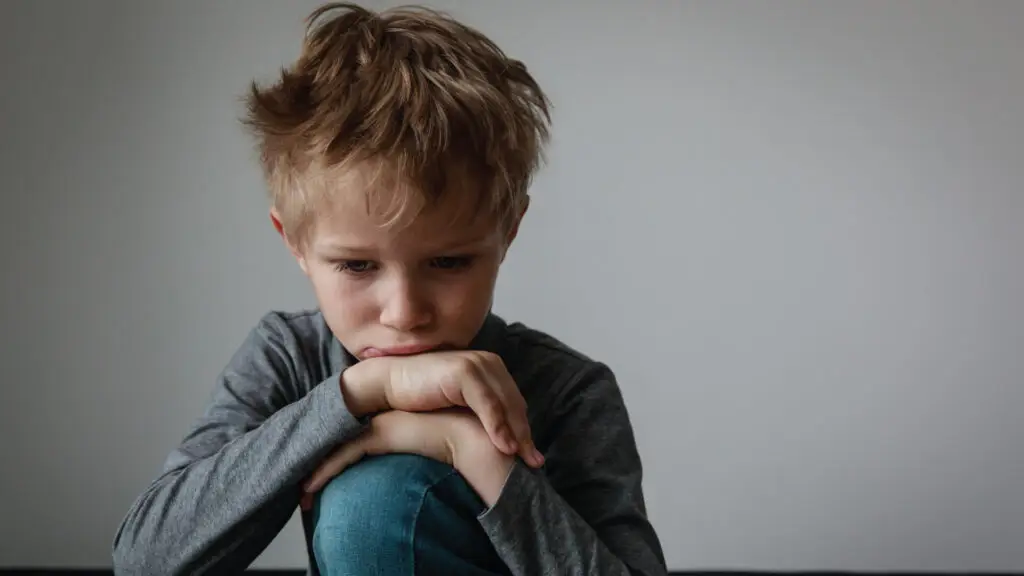
But these kids already know something is wrong. They know their situation isn’t normal. They know the adults around them are being careful with what they say. And when children have questions with no answers—about why they’re in foster care, about what happened to their parents, about why they’re separated from their siblings, about what’s going to happen in their court case, etc.—they don’t sit quietly with the uncertainty. They let their imagination fill the void.
And what children fill that void with is almost always worse than the truth.
All kids are egocentric by nature. When life is good, we assume it’s because we’re good. When life is rotten (and for kids like us, life was rotten) we assume it’s because we’re rotten. We assume we did something to deserve it. That we must be so broken, so unlovable, so fundamentally wrong that even our own parents didn’t want us. Kids at school said it to our faces: “You must be so bad even your parents don’t want you.” And without the truth to counter it, that becomes the story we tell ourselves.
Protecting kids from the truth doesn’t protect them from pain. It just hands them a pain they have to carry alone, without context, and without anyone to help them make sense of it.
What Silence Really Teaches
When silence hurts children, it rarely looks like an obvious wound. It looks like a slow erosion of trust.
In the orphanage, I wasn’t the only one starving for answers. Every kid in that place was carrying questions that nobody would touch. We all knew the adults knew more than they were saying. And when you’re a child and the adults around you keep deflecting or keep giving you half-truths and careful language, you don’t think, “They’re protecting me.” You think, “They’re lying to me.”
And once a child decides that adults are liars, you haven’t just lost their trust in you. You’ve lost their trust in every adult who comes after you. The case worker who genuinely wants to help them. The foster parent who is trying to build a relationship. The teacher who sees something in them. The counselor. The mentor. Every adult who tries to pour into that child’s life now has to climb over a wall that your silence helped build.
Their ability to be helped and to be loved becomes less and less likely. Not because of what they’ve been through, but because of what they were never told.
The Two Ways Kids Respond to Having No Answers
In my experience, kids respond to unanswered questions in one of two ways, and neither is good.
Some of us had shut down. We emotionally flatlined. We decided that if the world wasn’t going to give us answers, we weren’t going to give the world anything either. We locked the door to our hearts and stopped feeling. That was me at seven years old, and I’ve written about what that costs a child.
Others exploded. The boys I grew up with who couldn’t contain it anymore and resorted to screaming, throwing things, punching walls, and getting into fights that seemed to come from nowhere. But it wasn’t. It was the accumulation of every question that had gone unanswered, every truth they’d been denied, and every time an adult had smiled and said nothing meaningful. Rage was the only language they had left.
Whether they shut down or exploded, neither child was okay. Both of them needed the same thing: an honest conversation with a trusted adult who respected them enough to tell them the truth.
These Kids Can Handle the Truth
I want to say this plainly, because I think it’s the thing caregivers most need to hear: at-risk kids are not fragile. They have already survived things that would level most adults. The truth is not going to break them. It is the uncertainty, the unanswered questions, the carefully constructed half-truths…those are what break them.
What the hard, painful truth does is give a child something to finally orient themselves around. It gives them context for their situation. It lets them stop inventing explanations and start dealing with reality. And reality, however painful, is something they can begin to work with. A fantasy built on silence is something they can only keep waiting inside of, alone.
This is not a call for careless disclosure. But it is a call for honest conversations with kids that are handled with care, appropriate to their age and their capacity, and followed by real support.
There’s a difference between dumping the truth on a child and walking them through it. The goal is always the second.
How to Have These Conversations the Right Way
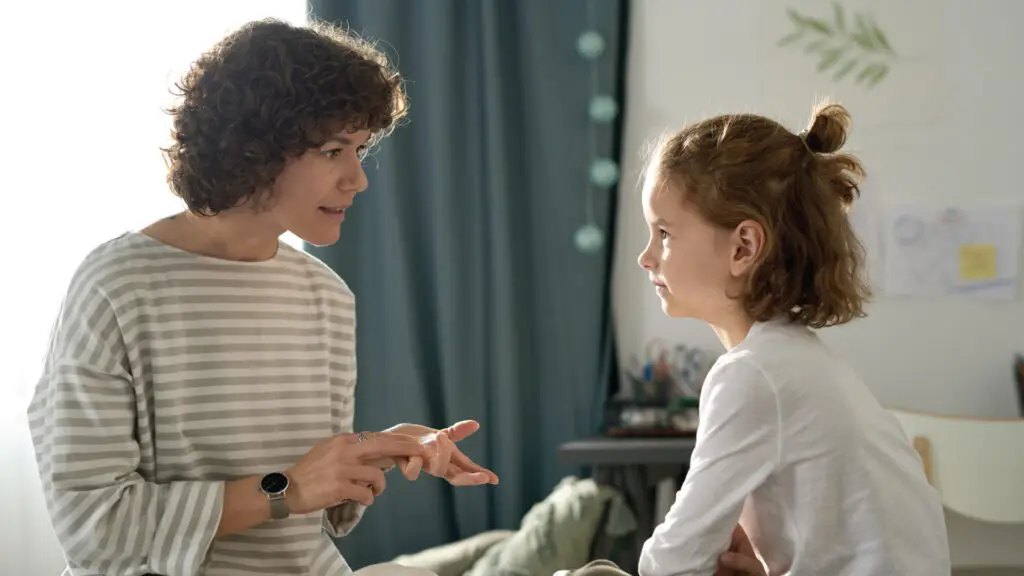
Talking to kids about hard things is not comfortable. I’m not going to pretend it is. But there are ways to do it that honor the child without overwhelming them.
Start with what they already know. Before you decide what to tell a child, find out what they’ve already concluded on their own. Ask open questions and listen. What you hear will almost certainly be worse than the truth, and it will show you exactly what gap you need to fill.
Tell them it’s not their fault, and mean it. Before you get into any details, a child needs to hear this clearly and repeatedly: this is not your fault. Your parents were the ones who were broken. You are living the consequence of what they couldn’t do. That is not a reflection of your worth. Say it plainly. Say it more than once. It won’t land the first time, but keep saying it.
Be honest about what you don’t know. One of the most powerful things a caregiver can say to a child is: “I don’t have that answer, and I’m not going to pretend I do.” That kind of honesty, admitting the limits of what you know rather than filling the space with nothing, is what separates a trustworthy adult from a liar in a child’s eyes. If you don’t know, say so. Then commit to finding out what you can.
Stay in the room after. The conversation isn’t over when the words stop. What happens in the hours and days after you’ve told a child something hard is as important as what you said. Check in. Let them bring it back up on their own terms. Be the steady presence that shows them honesty doesn’t mean abandonment, it means you trust them enough to tell them the truth and then stay.
The Most Dangerous Thing You Can Do Is Nothing
I spent years waiting for a call that was never going to come, building a fantasy out of what adults wouldn’t tell me, and then watching that fantasy collapse and taking my trust in every adult with it. I was not unique. Every child I grew up with in that orphanage was doing the same thing in their own way.
The adults who stayed silent thought they were protecting us, but they weren’t. They were leaving us alone with our worst conclusions about ourselves and the world, with no tools to challenge them and no one to trust enough to try.
If you are working with a vulnerable child right now, I am encouraging you directly: tell them the truth. Not all at once. Not without care. But tell them. Respect them enough to be honest.
Because the silence you think is protecting them is teaching them something you don’t want to teach: that adults can’t be trusted, that they are alone in their confusion, and that no one thinks they’re worth an honest answer.
They are worth one. Give it to them.